
Many people worry that working while applying for or receiving disability benefits will automatically jeopardize their claim. The Social Security Administration actually encourages beneficiaries to test their ability to work, and there are rules in place to protect your benefits. Understanding these rules is important so you can plan your finances and avoid surprises. Work with us, a trusted Social Security Attorney in Philadelphia.
How Work Affects Your Disability Application: Advice from Social Security Attorney Philadelphia
If you are thinking about working while applying for disability benefits, it is normal to worry that any income will jeopardize your claim. The truth is more nuanced. The SSA considers your work activity and uses a concept called substantial gainful activity (SGA) to determine whether your income shows you can support yourself. In 2025, the SGA limit was about $1,620 per month for non-blind individuals and $2,700 per month for people who are legally blind. Understanding these limits helps you avoid accidental denials. Keep records of your earnings and be ready to explain any work you do while your application is pending.
Working While Receiving SSDI
Once you are approved for SSDI, the SSA encourages you to test your ability to return to work. To help, there are protections in place that let you explore employment without automatically losing your benefits. Recovery is unpredictable, and many people need to ease back into work. Knowing how these programs operate can help you plan your future with confidence. The two most important programs are the trial work period and the extended period of eligibility.
SSDI has two important provisions that allow you to try working without losing your benefits immediately.
- Trial work period:You can work for nine months and still receive your full SSDI payment. Any month in which you earn more than a set threshold (about $1,160 in 2025) counts as one of your trial months. The months do not have to be consecutive, and there is no earnings cap during this period.
- Extended period of eligibility:After you finish the trial work period, you enter a 36-month window during which you still receive benefits for any month that your earnings stay below the SGA level. If your earnings exceed the limit, you won’t get a payment that month, but benefits resume in months when your income falls below the threshold. Disability-related expenses, such as transportation or assistive devices, can allow you to earn more because they can be deducted from your income.
Medicare coverage continues during the trial work period and the extended period.
Working While Receiving SSI
For SSI recipients, work is still possible, but the rules are different because SSI is based on need. Your monthly payment will decrease as your income goes up, but not all wages are counted. Understanding which earnings count and which deductions are available helps you plan work without losing your support. It also covers special rules for students and for disability-related expenses.
SSI is a needs-based program, so your payment decreases as your income rises. Not all of your income counts, however. The SSA excludes the first $20 of any income each month, and it excludes the first $65 of earned income plus half of what you earn above $65. Because of these exclusions, many people can earn up to around $2,000 per month before their SSI payment drops to zero. If you are under 22 and attending school, the SSA may exclude even more of your earnings. You can also deduct expenses that relate to your disability, such as transportation or specialized equipment, from your countable income. In some cases, employers provide job subsidies, such as paid breaks or extra supervision, and the value of these subsidies may not count toward your income.
Common Mistakes to Avoid
Even with the best intentions, people make mistakes that cost them money and peace of mind. We have seen clients accidentally trigger a trial work period or lose benefits because they did not understand the rules. Being aware of common errors can help you avoid these problems. The list below highlights common pitfalls and guides to help prevent them. Reading through these can save you time and frustration.
- Failing to report earnings:Not reporting your income can result in overpayments and penalties. Always submit your pay stubs and keep the SSA informed of changes in your work status.
- Confusing SGA and trial work rules:The trial work threshold and the SGA limit are different. Earning over the trial threshold starts your trial period even if you stay below the SGA limit.
- Ignoring income exclusions:Some people assume any work will cause them to lose SSI. Understanding the earned income exclusions and deductions allows you to work more without losing benefits.
- Working beyond your capacity:Trying to return to full-time work too soon can put your health and benefits at risk. Consult your doctor and attorney before increasing your hours.
- Not documenting expenses:Without receipts for disability-related expenses, you cannot claim deductions that might preserve your benefits.
Getting Help
Balancing work and benefits is complicated and can feel like a tightrope walk. You are already coping with health challenges, and worrying about paperwork adds stress. Keeping detailed records of your earnings, hours, and expenses is essential, but it is not always clear what should be tracked. If you are unsure about the rules, reaching out for professional advice can make the process easier and less overwhelming. We are committed to helping you understand the rules, claim deductions, and protect your health and financial stability.
Finding Balance and Support
Working while you apply for or receive Social Security disability benefits is possible, but it requires careful planning. By understanding the SGA limits, taking advantage of trial work periods and income exclusions, and documenting everything, you can protect your benefits while exploring job opportunities. If you need help, consult a disability attorney in Philadelphia who can explain the rules, advocate for your interests, and help you make informed decisions. With the right support, you can move forward confidently, knowing you are protecting your health, your finances, and your future.
Related posts:
 What Is the 5-Month Waiting Period for SSDI?
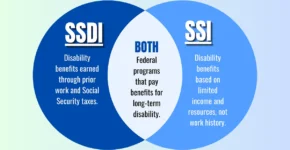 SSDI vs. SSI: Understanding the Difference Between Social Security Disability Programs
 Am I Eligible to Apply for Social Security Disability? A Social Security Disability Attorney in Philadelphia Explains
 Why Was My Social Security Disability Claim Denied? Steps You Can Take in Philadelphia — Disability Attorney Philadelphia
