
Back pay is one of the most emotionally charged issues in disability claims because it is tied directly to survival. It is not about extra money. It is about rent that piled up while you waited, medical bills that never stopped, and the financial damage caused by being unable to work long before the system formally recognizes disability.
Philadelphia applicants often ask for a number. That instinct is understandable. It is also the wrong starting point, because Social Security back pay is governed by rigid rules, not by fairness or the seriousness of your diagnosis. A local SSDI Lawyer Philadelphia applicants trust will usually begin by explaining what can be paid, what cannot, and why SSDI and SSI follow very different payment structures.
Back Pay Is Not the Same as “How Long You Have Been Suffering”
Back pay means benefits owed for past months after you meet the rules for payment, but before monthly benefits actually begin. That distinction matters because not every month of disability is payable.
Some months are excluded by law, even if you were genuinely unable to work. Some months cannot be paid under SSI if they occur before you apply. Some months can only be paid under SSDI within a limited retroactive window.
Being disabled earlier does not automatically mean every earlier month is payable.
SSDI Back Pay and the Two Rules That Surprise People Most
- The waiting period: In most SSDI cases, Social Security does not pay benefits immediately from the disability onset date. There is a waiting period built into the program. Even when disability is fully proven, some early months never become payable under SSDI.This is one of the main reasons people feel their back pay is smaller than expected. The system is applying a rule that many claimants do not learn about until late in the process.
- Retroactive limits: SSDI can sometimes pay benefits for months before you applied, but only up to a fixed limit. There is a cap on how far back SSDI can pay before the application date, even if disability began earlier.
This is why appeal strategy matters. When a claim becomes final, and a person starts over later, earlier months may be permanently lost. A Social Security Attorney Philadelphia claimants rely on helps protect timelines for this reason, not because the case is a math problem, but because lost months are often unrecoverable.
SSI Back Pay and Why the Application Date Is a Hard Line
SSI is a needs-based program. It does not pay benefits for months before you apply. Even if disability began years earlier, SSI generally cannot pay for months before filing.
That rule creates a difficult reality. Waiting to file can cost months of SSI benefits, regardless of how clear your medical situation is. SSI back pay is built from the months after filing when both disability and financial eligibility requirements are met.
SSI can also involve payment mechanics that feel unfamiliar, especially when a back pay award is large. Some cases involve installment payments, and some involve verification steps that delay release. None of that changes eligibility. It changes how payments are administered.
A Social Security Disability Attorney Philadelphia residents trust will usually explain these expectations early, so people do not mistake routine administration for a problem with their approval.

When Someone Qualifies for Both SSDI and SSI
Some people qualify for both programs at the same time. When that happens, Social Security coordinates payments to avoid paying twice for the same months. This coordination can affect the size of the lump sum and delay the final calculation.
This is where many applicants feel blindsided. They begin receiving monthly benefits, but still wait for back pay. Often, the system is performing offsets, recalculations, or internal verifications. It is not always simple, and it is rarely explained clearly.
A Social Security Lawyer Philadelphia claimants trust can help interpret what is happening in plain language and push for clarity when a payment issue becomes stuck.
Philadelphia Focus Without False Promises
Local disability claims involve Philadelphia-area field office processing, record development, and, when appeals are required, the Philadelphia hearing system. That local reality can influence pacing, but it does not create a predictable calendar.
Back pay depends on the established onset date, the benefit program involved, and the procedural path the claim follows. That is why two people with equally serious disabilities can receive very different back pay outcomes.
Understanding the Rules Before Expectations Take Over
Back pay is rule-driven, not outcome-driven. SSDI includes waiting periods and retroactive limits. SSI is tied to the act of filing, with no retroactive months before the application. When both programs apply, coordination can reshape the final amount and timing.
At Weisbord & Weisbord, P.C., we regularly speak with Philadelphia residents who are confused not because their case is weak, but because the system failed to explain what was happening. Understanding these rules early can prevent disappointment, protect financial planning, and reduce unnecessary stress. Back pay questions deserve clear answers, not guesses or internet assumptions. The right guidance helps ensure expectations match reality. If you are unsure how SSDI or SSI back pay applies to your situation, speaking with a local Social Security Disability Attorney Philadelphia residents trust can help you move forward with clarity instead of uncertainty.
Related posts:
 What Is the 5-Month Waiting Period for SSDI?
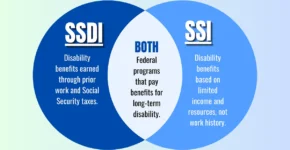 SSDI vs. SSI: Understanding the Difference Between Social Security Disability Programs
 The Back Pay Mistakes Philadelphia Disability Applicants Make, and How to Avoid Losing Months You Earned
 What Happens at a Social Security Disability Hearing in Philadelphia, and How Decisions Are Made
