
Many people hear “SSDI” and “SSI” and think they are the same. They are both federal programs that help people with disabilities, but they have different rules and benefits. Understanding the differences enables you to decide which program is right for you or whether you can receive both. At Weisbord & Weisbord, we often talk with clients who are unsure which benefit to pursue. We’re here to make the distinctions clear and help you choose the best path.
Choosing an SSDI Lawyer Philadelphia can make the appeals process far less stressful, and our team wants to be there to help every step of the way.
What Is Social Security Disability Insurance?
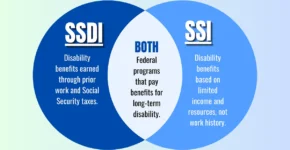
The best Disability Attorney Philadelphia has to offer says that Social Security Disability Insurance (SSDI) is an insurance program funded by payroll taxes. To qualify, you must have a medical condition that prevents you from working and enough work credits—usually 20 credits earned over the last 10 years. Monthly payments are based on your average past earnings, and in 2025, the average SSDI benefit was about $1,536, with a maximum of just over $4,000. Benefits typically start within a five-month waiting period. Once approved, you will qualify for Medicare after receiving SSDI payments for two years.
What Is Supplemental Security Income?
Supplemental Security Income (SSI) is a needs-based program. It helps people who are 65 or older, blind or disabled, with very limited income and assets. SSI does not require any work credits. In 2025, the federal base payment was $943 per month for single recipients. States sometimes add their own supplements; Pennsylvania offers a small additional payment. Married couples receive a combined payment that is lower than the sum of two separate payments. SSI recipients usually qualify for Medicaid right away.
Comparing the Programs
Although both programs use the same definition of disability, their eligibility requirements differ. SSDI requires a work history and has no asset limit. SSI has strict income and resource limits, but does not require past employment. The programs are also funded differently—SSDI is funded by payroll taxes, while SSI is funded by general tax revenues. Waiting times for decisions are similar in Philadelphia: initial decisions typically take three to six months. Because SSDI payments are based on earnings, they are often higher than SSI benefits.
Who Can Get Both?
Some people qualify for both SSDI and SSI. This can happen when you have enough work credits to qualify for SSDI, but your benefit amount is low because of limited lifetime earnings. In these situations, SSI supplements your SSDI payment up to the maximum SSI amount. To qualify for concurrent benefits, you must meet SSI’s resource limits, so careful budgeting is important. If you’re unsure whether you qualify for one or both programs, speaking with a Social Security disability attorney in Philadelphia can help you understand your options.
Common Mistakes and How to Decide
Deciding which program to apply for—or whether to apply for both—can be confusing. Here are some pitfalls to avoid:
- Assuming you don’t qualify for SSDI because you haven’t worked recently.You may still have enough credits from past work.
- Forgetting about SSI’s asset limits.Exceeding these limits will disqualify you from SSI, even if you are medically eligible.
- Overlooking differences in health coverage.If you need immediate health insurance, SSI’s Medicaid may be more valuable than SSDI’s delayed Medicare.
- Applying for only one program. Some people leave money on the table by not applying for both when they’re eligible.
- Ignoring state supplements.Pennsylvania’s SSI supplement could make a modest but meaningful difference in your monthly income.
When choosing, review your work history, income, resources, and health needs. Our lawyers at Weisbord & Weisbord can assess your situation and recommend the best strategy.
Need A Trusted SSI or SSDI Lawyer Philadelphia?
SSDI and SSI serve different purposes. One is an insurance program you earn through work; the other is a safety net for people with limited resources. Understanding the key differences helps you make informed decisions and avoid costly mistakes. If you think you might qualify for both, it’s wise to apply for both. For personalized guidance, consult an SSD attorney in Philadelphia who can help you navigate the application process from start to finish.
Related posts:
 SSDI vs. SSI: Understanding the Difference Between Social Security Disability Programs
 Am I Eligible to Apply for Social Security Disability? A Social Security Disability Attorney in Philadelphia Explains
 Back Pay in SSDI and SSI: What Philadelphia Applicants Can and Cannot Be Paid For
 Working While Applying for or Receiving Social Security Disability in Philadelphia
